
Life constantly puts us to the test, and to reach certain goals we need to be good at setting ourselves challenges so that we can improve and go further.
Ever since my student days, I have wondered how best to face these challenges.
In my own small way, I wanted to understand the right mindset for preparing for the exams ahead.
The following English proverb helped me enormously:
"Always hope for the best, but prepare for the worst".
"Always hope for the best, but prepare for the worst."
Over time, I rephrased it like this:
"Prepare for the worst, and the best will take care of itself."
This rule has since accompanied me in facing every situation in life.
What does preparing for the worst mean?
Imagine we are going on a long high-mountain hike (or a trip out to sea): preparing the equipment to take with us is essential.
Mountain weather forecasts are highly uncertain.
When preparing, I therefore need to anticipate the worst and bring all the equipment useful in less favourable conditions.
In my physical preparation before the hike, I also need to consider additional difficulties that might arise in the mountains and make the ascent harder (as with paddling against the wind and current at sea).
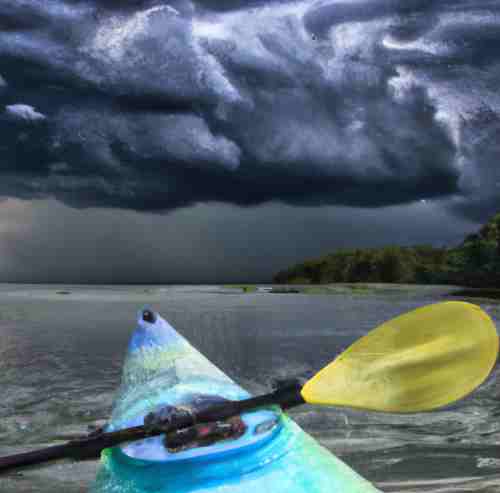
When we think about the "worst", we focus ONLY on factors we do not control, on EXTERNAL FACTORS.
In an interview or an exam, we cannot control what goes through the mind of the person asking the questions.
To prepare as well as possible, we should assume they might challenge us, or ask that particular question we had not thought about.
At university, this is a classic scenario, especially if we are aiming for a high mark.
I realise this may seem a pessimistic approach, but it is actually a way to hack our motivation.
Imagine we have a boxing match coming up and know nothing about our opponent.
If you expect them to be strong and determined, you will certainly train harder.
Certainly much harder than if you did not assess your opponent or, worse, considered yourself superior from the outset.
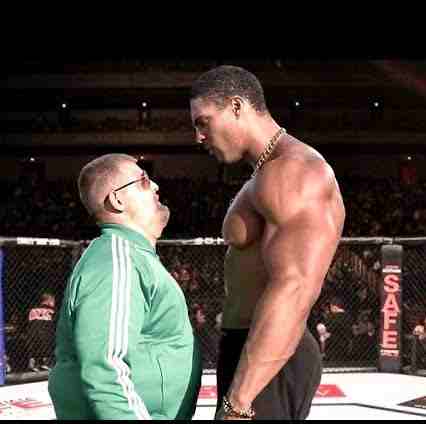
If you have trained hard and then discover on match day that the other fighter is not particularly good, then in this case "the best has taken care of itself" 🤪
If you want more, you must give more, and the worst-case scenario should motivate us.
Be careful not to overdo it and condition yourself too strongly, otherwise you may trigger negative self-fulfilling prophecies.
What are self-fulfilling prophecies?
A belief or expectation that influences a person's behaviour in such a way as to make it come true.
For example, if I think I will do badly in an exam, my mind will sabotage my efforts, leaving me insufficiently prepared and making the prophecy come true.
Self-fulfilling prophecy is closely related to the Pygmalion effect.
However, this effect concerns how we see ourselves, and is activated when we do not think we are up to a particular situation, through either a lack of competence or a lack of self-esteem.
Spartan warriors had the following motto:
“The more you sweat in training, the less you bleed in battle.”
Visualising the worst helps us sweat more so that we can face life's battles at our best!
One thing I personally cannot stand is people who underestimate others or situations.
The "prepare for the worst" mindset also has the advantage of preventing that attitude by design.