
Do you know the story of the rowing race? 🛶
The protagonists vary depending on who tells it and from country to country. Let's look at the version pitting the Japanese against the Americans.
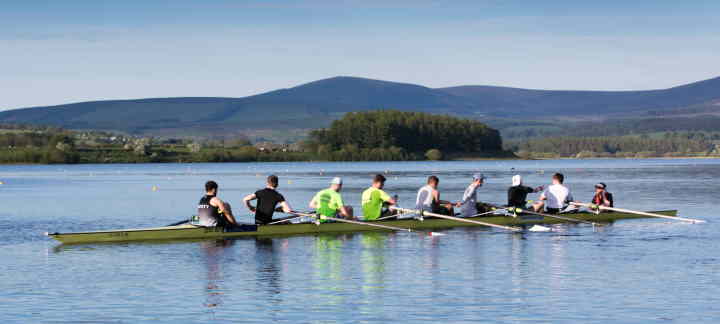
A Japanese company and an American company decided to organise a rowing race on the Mississippi River. Both teams trained hard to win.
On the big day, the Japanese win by a mile. The North Americans, very discouraged and depressed, decided to investigate the reason for their crushing defeat.
They form an ad hoc management team of senior executives who spend a large sum hiring an established consultancy.
The analysis is clear: the Japanese team had 8 people rowing and 1 steering, while the North American team had 8 people steering and 1 rowing
The consultancy's conclusion is illuminating 💡: too many people were steering the boat and not enough were rowing 😂
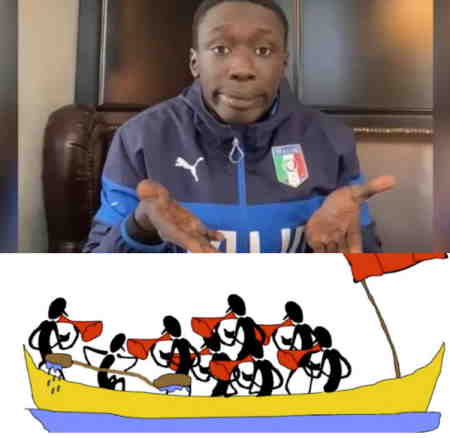
To avoid another defeat, the following year the crew is completely reorganised with this structure: 4 supervisors, 3 steering/rowing coordinators, 1 supervising director, 1 rower.
An incentive scheme is devised for the rower to improve performance and help them understand the importance of reaching the goal and the great opportunity involved.
The new scheme is called the "Rowing Team Quality First Program". Meetings and dinners are arranged to motivate the team. A new carbon-fibre boat and new equipment are also purchased.
Every week, a training review meeting is held, focusing on the rower's performance.
The following year, the Japanese won by two miles.
Humiliated, the American management fires the rower for poor performance, stops development of an advanced boat and outsources everything to a company in India.
This amusing story captures a phenomenon often seen in companies: the imbalance between action and management, and the art of making things complicated and excessively abstract.
Over-organisation kills organisation and prevents us from seeing things as they are.
The same applies at a personal level: sometimes we get lost in the plan and disconnect from action.
Often, we do not need big consultancies (which tell us what we already know), just a little common sense and investment in rowers, developing their abilities and giving them the best conditions to do their best.