
Social psychologist Elliot Aronson first studied the Pratfall effect in 1966.
He tested his theory with 48 university students, who listened to recordings of simulated interviews with two people, one of whom answered quiz questions.
The interviewees were actors playing two types of characters:
- a competent, well-prepared person with an excellent background, answering brilliantly and demonstrating high skill and knowledge.
- an average person who had not excelled at school giving ordinary, less impressive answers and demonstrating average ability and knowledge.
Alongside this control group, a variation introduced an accident during the quiz for both types: the actor answering the questions made an obvious blunder by dropping a cup of coffee.
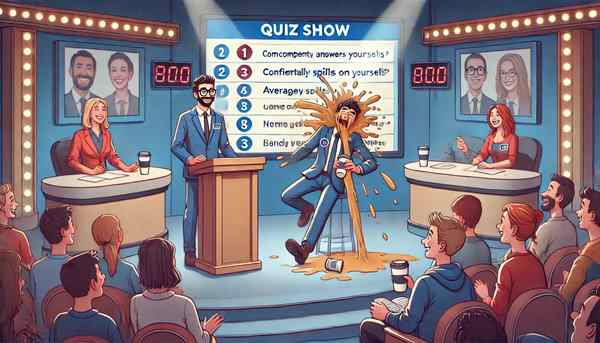
After listening, participants rated the interviewees' attractiveness and likeability.
Aronson found that the competent person who blundered was considered significantly more likeable and attractive than when making no mistakes.
The average person's mistake brought no such benefit; their attractiveness tended to decline further.
This led to the theory of the Pratfall effect, or stumble effect:
people considered highly capable become even more attractive and likeable when they make a mistake that makes them more human and less perfect.
This applies to any type of competence, from athletes to professors, classmates to colleagues.
It can also be used in marketing and communication to improve brand perception.
Using the Pratfall effect in marketing and communication
Translating the Pratfall effect into marketing, we could say:
Admitting a flaw can unexpectedly improve consumers' perception of a brand, increasing liking.
⚠️Be careful⚠️: using this effect requires an excellent product or service offering objective functional and/or emotional value. Otherwise, the flaw risks backfiring.
We could define the Perfect Flaw👌 as a side effect of a positive characteristic.
Let's clarify with examples.
Imagine launching a pizzeria chain, or an artisan frozen pizza pre-baked in a wood-fired oven.
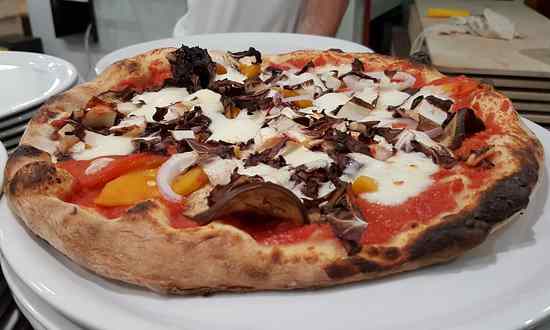
Our communication could say:
"We apologise if our pizzas are not perfectly round and have odd shapes. Handmade pizzas cooked in a real wood-fired oven can take unusual shapes."
Or imagine a highly personalised, exclusive premium product, such as a professional mountain bike:

"We are not the fastest at delivering your product: creating a solution just for you takes time."
In these examples, shape and delivery times are perfect flaws that highlight positive product characteristics.
One marketing and communication case using the Pratfall effect is the famous Irish beer 🍻 Guinness.
Pouring a pint of the famous stout takes over 3 minutes, compared with an average of 10 seconds for other beers.
The wait is a problem for customers and bartenders, but Guinness turned it into the perfect flaw, making waiting seem essential to a better product.
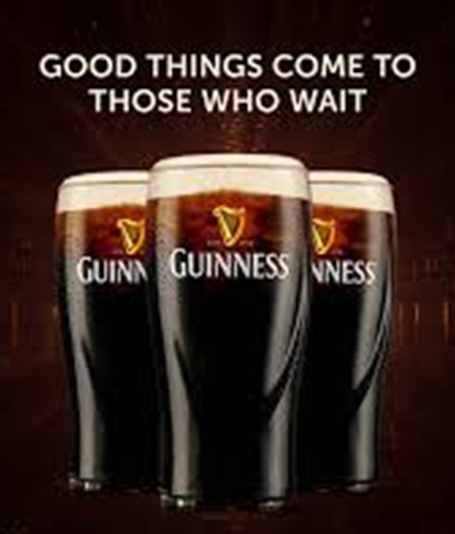
The Irish company's campaign line was:
"Good things come to those who wait."
The advert using the sporting metaphor of a surfer waiting for the perfect wave is also beautiful:
Another campaign used the Pratfall effect for Buckley's cough syrups.
In the mid-1980s, Buckley's launched its Canadian advertising campaign "Bad Taste".
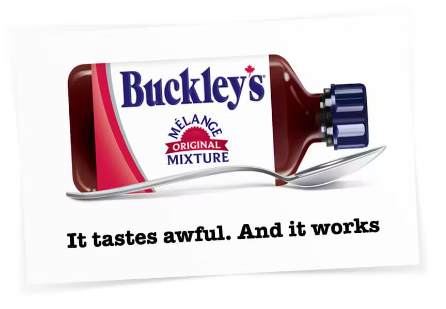
It became a renowned case study for honesty and humour, with the line:
"It tastes awful. And it works."
Using the Pratfall effect helped make Buckley's a leader in cough and cold products.
Consumer purchasing research has shown that some situations involve an imperfection bias that makes us regard the less precise-looking product as better.
The biscuit test is an example. Which biscuit would you prefer to eat?
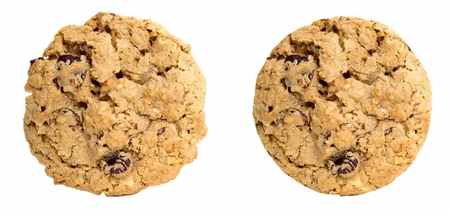
In this test, 66% preferred the biscuit on the left, the less attractive one.