
In an increasingly crowded marketplace dominated by multimillion-dollar digital campaigns, some companies show that success and revenue growth do not necessarily require large advertising budgets. This philosophy, known as Zero Advertising Spend (ZAS), is not simply a cost-cutting exercise, but a deliberate strategy that uses innovation, customer loyalty and viral word of mouth to build an enduring, authentic brand.
The concept of ZAS rests on the assumption that a high-quality product, service or corporate image can encourage consumers to advertise on the company's behalf. The main goal is to stimulate discussion and interaction, turning customers into unpaid brand ambassadors.
The foundations of Zero Advertising Spend
The ZAS approach forces companies to focus on business fundamentals: creating excellent offerings and delivering experiences people truly love. Instead of buying advertising impressions, they invest in building an ‘army of enthusiastic fans’.
Four crucial pillars for building a brand with no advertising budget:
- The founder as the first evangelist (CEO branding): the founder's or CEO's story and authenticity are an asset that costs almost nothing. The leader's personal brand becomes the human face of the company.
- Content as conversation, not selling: every piece of content must be so useful, intuitive or emotionally resonant that it makes people want to share and discuss it. The aim is to tell the story of the customer's transformation, not simply to promote.
- Community as an engine of growth: the best brands sell belonging. The founder's role is to create spaces (Slack, Discord, Facebook groups) where early adopters can connect and become an engine of growth.
- Strategic partnerships and ‘borrowing’ audiences: to reach new segments without ads, collaborate with like-minded brands or creators, offering value (guest posts, webinars, joint projects) to earn attention.
The strategic role of CEO branding in ZAS
In the ZAS context, CEO branding is an unconventional marketing tool characterised by uniqueness, efficiency and low costs. The CEO takes centre stage, almost on a par with the corporate brand: when the leader has an excellent reputation, it can activate word of mouth and reduce advertising spending to zero.
Effectiveness is measured by the leader's ability to embody a strong brand aligned with the mission and vision. Key factors that reduce the need for external advertising:
- Credibility and reliability: the CEO's reputation is reflected directly in the message and brand.
- Storytelling and transparency: sharing the person, failures and challenges increases engagement and reputational capital.
- Social CEO: intentional use of channels such as LinkedIn multiplies reputation, engagement and PR at a modest cost.
Case studies: businesses that thrive without advertising
Tesla
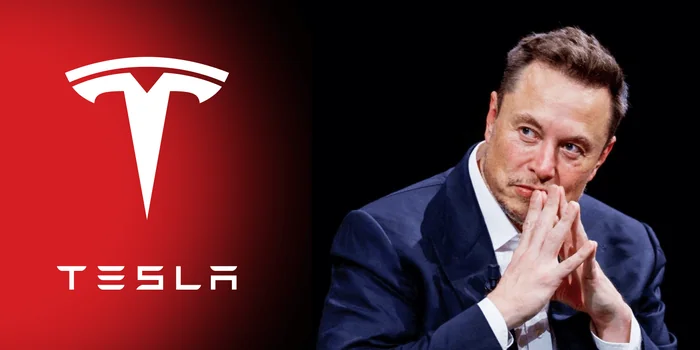
Tesla has famously avoided conventional advertising, relying on its CEO, Elon Musk, who uses viral PR and a social media presence to generate hype. The company invests more in its product and customer experience than in media, and growth is driven by word of mouth within a community that feels part of a sustainable vision of the future. It is a prime example of CEO branding that projects the leader's image onto the brand.
Costco
Costco maintains an almost nonexistent advertising budget: no TV or print ads. It relies on a base of around 128 million members and word of mouth. Resources are focused on low prices and retention, creating a virtuous circle in which members become unpaid evangelists.
Zara
Zara prioritises opening flagship stores in high-traffic locations and invests very little in advertising (around 0.3% of sales). The savings are reinvested in design, the supply chain and the in-store experience. Exclusivity and speed in spotting trends generate organic buzz: customers promote the brand by sharing their purchases.
Trader Joe’s
Trader Joe’s grows through word of mouth and the in-store experience. Distinctive features (Hawaiian shirts, tasting stations) and the Fearless Flyer newsletter – more an entertaining catalogue than a promotion – support the brand with low media spending, translating into better prices.
Patagonia
Patagonia invests very little in advertising (less than 0.5% of revenue) and prefers to ‘communicate’ through its mission and activism (the iconic Don’t Buy This Jacket ad). Consistency and integrity generate loyalty and advocacy: customers become true ambassadors.
Rolls‑Royce
Rolls‑Royce bases its growth on exclusivity and a reputation spanning more than a century. It has no need for mass campaigns: its niche clientele knows the brand through prestige and word of mouth among peers. Advertising savings go into craftsmanship and customisation.
Sriracha (Huy Fong Foods)
Sriracha has become a global cult favourite with zero advertising budget and no formal marketing team. Its distinctive flavour and iconic bottle design have spontaneously inspired recipes, mentions and sharing, spreading the product without ads.
Conclusions
Zero Advertising Spend is not for everyone, especially little-known brands that need to build awareness. But for those offering unique value or with a ‘cult’ community, limiting advertising spending can become a strategic advantage: greater focus on product, mission and authentic relationships; less dependence on paid ads.