
Artificial intelligence has made a major entry into all marketing activities; all the main online advertising platforms are now managed through AI.
But the big new development is AI’s arrival in the conception and creation of commercials.
Traditionally, creating an advertising campaign was a long, expensive and risky process. For years, major brands invested millions of dollars and months of work to produce commercials that, despite their efforts, often failed to achieve their intended goals. According to the statistics, 40% of ads failed to achieve their marketing purpose.
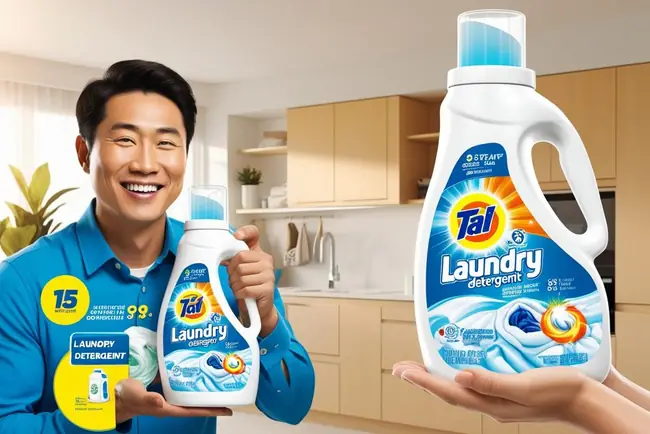 Example of an AI commercial I created with Canva’s Dream Lab
The introduction of AI, however, is overturning these dynamics. New platforms drastically reduce time and costs, substantially increasing advertising campaigns’ success rates.
This means major brands can now produce more ads in less time, optimising budgets and increasing return on investment (ROI).
Small businesses, too, which previously could not afford TV or digital commercials, can enter this competitive market.
Using AI not only saves money but also makes experimentation possible. Companies can create multiple versions of an ad and test their performance to discover which is most effective. This approach, known as split testing, improves campaigns’ effectiveness and allows brands to adapt quickly to consumer preferences.
We are only at the beginning of the AI Marketing era, which will also revolutionise Video Marketing.
Coca-Cola creates Christmas commercials with AI
During the Christmas period, the soft-drink giant launched three commercials created entirely with AI, produced by three different AI studios under the following titles:
- Unexpected Santa (Wild Card agency)
- Secret Santa (Secret Level agency)
- Silver Santa (Silverside AI)
To see the final output, below is the 60-second version of Unexpected Santa.
In the United States, people cried scandal: they are killing Christmas! 🎅🎄
A wave of disappointment swept over these Christmas ads, accused of betraying the spirit of the holidays.
The heart of the issue is that the ads were made entirely with artificial intelligence.
The American public’s main objections are that the commercial looks soulless, lacks real people and lacks creativity.
Regardless of Coca-Cola’s output, I believe creativity will always remain the distinguishing factor: the way we combine and use technology is, and always will be, governed by human imagination.
As for the objection about the absence of a real component (human and environmental), I believe this is a false problem reflecting biases towards AI and new technologies.
After all, Pixar and Disney’s digital animation is based entirely on unreal worlds, and the key factor remains the story and storytelling.
Personally, many of the films that have moved me most were animated films.
Was Coca-Cola right to launch these commercials? 🤔
For the commercials, the Atlanta company took inspiration from the 1995 version of ‘Holidays Are Coming’, in which trucks travel along snow-covered roads in the United States (the original video is below).
AI-based video technology is evolving rapidly, but it is still immature (just as AI image production was in its early days).
Perhaps the company could have waited a little longer before launching, or avoided linking this experiment to Christmas: a very traditional holiday with which the brand has a very strong historical connection.
Particularly at a time when conservative sentiment is strong in the United States, this choice could be risky.
On the positive side, it should be said that Coca-Cola is very attentive and eager to experiment with AI applied to marketing.
Some time ago, it also launched a new, limited-edition formula for its drink called Coca-Cola Y3000 Zero Sugar, co-created with the support of artificial intelligence.
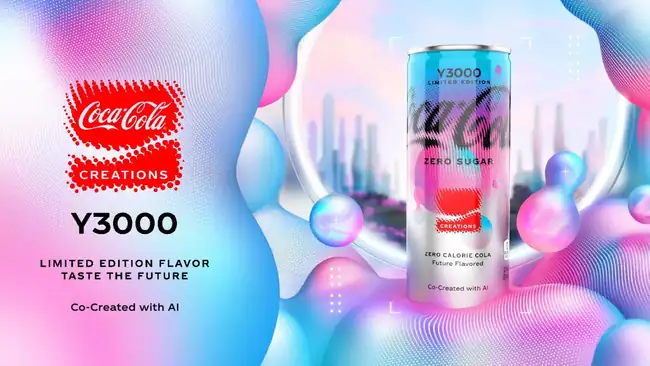
Coca-Cola carried out market research to gather people’s ideas of the future, their emotions and their aspirations.
AI analysed this information to formulate a new flavour: Y3000 Zero Sugar.
In practice, the new drink was not a great success, but then only experimentation and failures lead towards success.
Many film-production companies use AI to optimise the creation process.
Major digital-animation players such as Disney and Pixar have long used AI to improve their products.
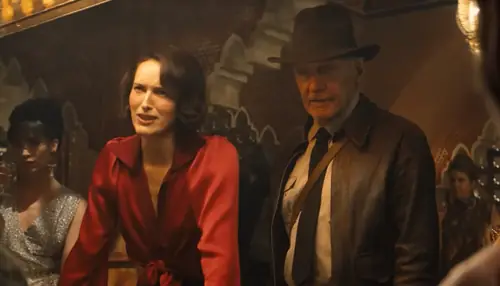
One classic example is digitally de-ageing actors: in ‘Indiana Jones and the Dial of Destiny’, Disney used AI to digitally de-age Harrison Ford, allowing the actor to appear younger in specific scenes.
Disney also developed the Medusa Facial Capture system, used in many films to create digital characters with realistic facial expressions.